




31-Oct-2026
Artificial Intelligence (AI) is transforming the way businesses create, manage, organize, and publish digital content. From corporate websites and e-commerce platforms to blogs and enterprise portals, businesses manage growing volumes of information across multiple digital channels. Traditional content management methods can be time-consuming, especially when teams need to make frequent updates, maintain consistency, and deliver personalized experiences.
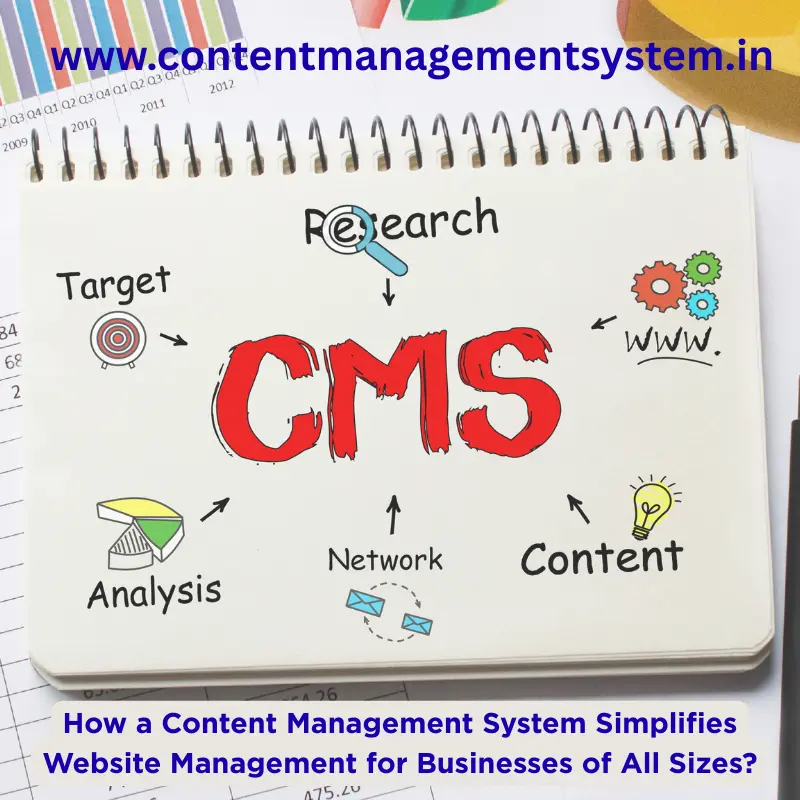
An AI-ready Content Management System (CMS) helps businesses simplify these activities through intelligent features, automation, and data-driven insights. Modern CMS platforms are evolving beyond basic content publishing. They are becoming smarter digital solutions that help organizations improve productivity, streamline workflows, and deliver relevant content to their audiences.
In 2026, adopting an advanced CMS is not just about managing website pages. It is about building a flexible digital environment that supports business growth, improves content quality, and adapts to changing customer expectations.
Understanding the Role of AI in Content Management Systems
A Content Management System allows businesses to create, edit, organize, and publish digital content without depending entirely on technical teams for everyday updates. With AI integration, these platforms can offer additional capabilities that make content management more efficient.
AI technologies such as machine learning, natural language processing, and predictive analytics can support different stages of the content lifecycle. They can assist with content suggestions, automated categorization, search functionality, personalization, and performance analysis.
Some important AI-driven CMS capabilities include:
- AI-Assisted Content Creation: Helps teams generate initial drafts, headlines, summaries, and content ideas.
- Automated Content Categorization: Supports organizing articles, images, documents, and other digital assets.
- Intelligent Search: Helps users discover relevant content through contextual and natural-language searches.
- Content Personalization: Supports displaying relevant information based on visitor interests and interactions.
- SEO Recommendations: Helps identify opportunities to improve headings, metadata, readability, and content structure.
- Workflow Automation: Reduces repetitive tasks involved in content reviews, approvals, and publishing.
AI should support content teams rather than replace human judgment. Businesses still need editorial review, accurate information, brand consistency, and appropriate approval processes.
1. Faster Content Creation and Publishing
Creating fresh and relevant content regularly is important for maintaining an active online presence. However, preparing website pages, blogs, product descriptions, and marketing content can require considerable time and coordination. AI-powered CMS features can assist content teams by generating draft content, suggesting headings, preparing summaries, and improving existing text. Editors can then review and refine the material before publishing.
Benefits include:
- Faster preparation of initial content drafts.
- Assistance with headlines and content outlines.
- Improved content consistency.
- Easier rewriting and summarization.
- Reduced time spent on repetitive writing tasks.
This approach helps businesses maintain a more organized publishing process while allowing content professionals to focus on quality and strategy.
2. Smarter Content Organization and Management
As websites grow, managing hundreds or thousands of pages, documents, images, and media files can become challenging. Without proper organization, teams may struggle to locate information or maintain consistent content structures. AI-assisted categorization can help identify content topics, suggest relevant tags, and organize digital assets more effectively. Combined with a well-planned CMS structure, these capabilities can make content easier to manage and retrieve.
A modern CMS should support:
- Centralized content storage.
- Organized categories and tags.
- Reusable content components.
- Media and document management.
- Version history and content updates.
- Role-based access and permissions.
Better content organization helps businesses maintain accuracy, reduce duplication, and manage their digital information more confidently.
3. Personalized Digital Experiences
Website visitors have different interests and expectations. A visitor exploring a particular service may want detailed product information, while another may be interested in educational resources or customer support. AI-powered personalization can help businesses deliver more relevant content by analysing permitted user interactions and browsing patterns. Depending on the implementation, a CMS can support personalized recommendations, relevant content sections, and targeted website experiences.
Examples include:
- Recommending related articles and resources.
- Displaying relevant products or services.
- Suggesting content based on visitor interests.
- Supporting location- or language-based experiences.
- Improving navigation through relevant content suggestions.
Personalization should respect user privacy and applicable data protection requirements. When implemented responsibly, it can make website experiences more useful and engaging.
4. Improved SEO and Content Optimization
Search Engine Optimization plays an important role in helping businesses improve their online visibility. An AI-enabled CMS can assist content teams with identifying optimization opportunities and maintaining better content structures. AI-assisted tools can review content readability, suggest relevant keywords, identify missing information, and recommend improvements to headings and metadata. However, effective SEO still depends on useful information, technical quality, and content that genuinely meets audience requirements.
Important CMS SEO capabilities include:
- Editable page titles and meta descriptions.
- Search-friendly URLs.
- Proper heading structures.
- Image optimization and alt text.
- XML sitemap support.
- Structured data implementation where appropriate.
- Internal linking and content organization.
Combining these capabilities with quality content can help businesses build a stronger foundation for long-term search visibility.
5. Automated Workflows and Better Team Collaboration
Content publishing often involves multiple people, including writers, editors, marketing professionals, and administrators. Managing approvals and revisions through emails or separate documents can slow down the publishing process. A modern CMS can streamline these activities through workflow automation and role-based permissions. AI-assisted features may also help summarize content changes, suggest review actions, or identify incomplete publishing tasks.
Useful workflow capabilities include:
- Content submission and review processes.
- Multi-level approval workflows.
- Scheduled content publishing.
- Role-based access management.
- Version tracking and revision history.
- Notifications for pending approvals.
These features help teams coordinate content activities and maintain greater control over website updates.
6. Better Website Search and Content Discovery
Visitors expect to find relevant information quickly. Traditional website search may struggle when users enter conversational questions or search using different words for the same subject. AI-powered search can improve content discovery by understanding context and user intent rather than relying only on exact keyword matches. Depending on the CMS and search technology used, businesses can provide more relevant results across articles, documents, products, and service pages. This can be particularly useful for large corporate websites, knowledge portals, educational platforms, and e-commerce websites.
7. Scalability, Security, and Future Readiness
A business website must evolve as the organization grows. New pages, additional services, changing customer expectations, and emerging technologies can create new content management requirements. An AI-ready CMS should be supported by a flexible technical foundation that allows businesses to introduce new features without unnecessarily rebuilding their entire platform.
Important considerations include:
- Secure user authentication and access controls.
- Regular software updates and maintenance.
- Reliable backup and recovery processes.
- Scalable hosting and infrastructure.
- Integration with business applications.
- Data protection and privacy controls.
- Compatibility with modern devices and browsers.
AI integration should also be planned carefully, particularly when external AI services process business or customer information.
Why Choose Creative Content Management System?
Choosing the right CMS development partner is essential for building a website that is easy to manage, scalable, and aligned with business objectives. Creative Content Management System understands that businesses need more than a platform for publishing website content. They need a practical solution that supports everyday operations, improves content management, and adapts to evolving digital requirements.
Here are some important reasons to consider Creative Content Management System:
- Customized CMS Development Solutions: Every organization has different content management requirements. Creative Content Management System focuses on solutions that can be planned around individual business needs, website structures, and publishing workflows. Customized CMS development can help businesses manage pages, media, documents, and website sections according to their operational requirements.
- AI-Ready Content Management Approach: As AI becomes increasingly relevant to digital platforms, businesses need CMS solutions that can accommodate intelligent features. A future-ready approach can consider AI-assisted content creation, automated categorization, intelligent search, and content personalization. These capabilities can help organizations improve efficiency while maintaining human oversight and content quality.
- User-Friendly Content Management: Managing website content should not require advanced technical knowledge for every routine update. A well-planned CMS interface allows authorized users to edit pages, upload images, publish articles, and manage website information more conveniently. This helps businesses maintain their online presence with greater independence.
- SEO-Friendly Website Architecture: A strong CMS should support essential SEO requirements from the beginning. Creative Content Management System considers important elements such as editable metadata, clean URL structures, heading organization, image optimization, and search-friendly content management. These features help businesses maintain an organized website that supports ongoing SEO activities.
- Mobile-First Website Management: With users accessing websites through smartphones, tablets, and desktops, responsive design is an important requirement. CMS solutions should support mobile-friendly website layouts and ensure that content displays consistently across devices. A mobile-first approach helps businesses deliver accessible and convenient digital experiences.
- Scalable and Flexible CMS Solutions: Business requirements change over time. A CMS should make it possible to introduce new pages, website sections, integrations, and functionality as needed. Creative Content Management System emphasizes flexible solutions that can support changing content requirements and future business expansion.
- Focus on Website Performance and Security: Website performance and security are essential for maintaining a dependable digital presence. A CMS project should consider efficient page loading, secure access, software maintenance, backup planning, and appropriate technical safeguards. These practices help businesses manage their websites more confidently.
- Support for Long-Term Digital Growth: A website is an ongoing business asset that requires regular updates and improvements. A suitable CMS solution should make content management easier today while providing the flexibility to support future requirements. By combining usability, customization, SEO considerations, and modern technology, Creative Content Management System helps businesses plan a more sustainable digital platform.
Conclusion
An AI-ready Content Management System can help businesses improve content creation, automate repetitive activities, organize digital information, and deliver more relevant website experiences. As digital requirements continue to evolve, organizations should look beyond traditional content publishing and consider CMS solutions that support flexibility, performance, security, and intelligent functionality.
By combining modern CMS development practices with responsible AI integration, businesses can build websites that are easier to manage and better prepared for future digital opportunities. Investing in the right Content Management System can help organizations strengthen their online presence and manage digital content more effectively.
Categories
Recent Posts
Websites Compatible with Agentic AI Browsing: Preparing for the Future of AI-Powered Web Experiences
The way people interact with websites is changing rapidly. Traditionally, users visited websites, searched for information, compared products, filled out...
Why Google Web Vitals Matter for Your Website Performance in 2026?
In 2026, having a visually attractive website is no longer enough to create a strong online presence. Visitors expect websites...
Web Design Tips for Small Businesses Around Powai to Boost Page Speed
In today’s fast-paced digital world, small businesses in and around Powai need more than just an attractive website—they need a...
Why Website Speed Matters for Startups in Powai & Nearby Areas?
In today’s fast-moving digital landscape, speed is everything—especially for startups trying to make a strong first impression. Whether you’re launching...